Pizza Place Cheyenne Spots Perfect for Quick and Tasty Meals
Finding a reliable pizza place Cheyenne locals can count on is less about chasing hype and more about knowing what kind of meal you need that day. Sometimes you want a hot slice and a fountain drink before heading back to work. Other times you need two large pies, one half pepperoni, one loaded with vegetables, ready in twenty minutes because nobody at home has the patience for a long wait. Cheyenne has room for both kinds of meals, and the best spots tend to understand speed without treating quality as optional.
That balance matters more than people admit. Quick food is easy to find almost anywhere. Truly tasty food that also arrives fast takes more discipline behind the counter. Dough has to be ready, ovens have to run hot and steady, toppings have to be portioned with some restraint, and staff have to know how to move during the lunch rush without turning every pie into a rushed mess. You can tell within one visit whether a place has that rhythm.
Cheyenne’s pizza scene works best when you approach it with a practical eye. This is not a city where every meal needs to become a culinary event. It is a city where people value consistency, decent portions, and food that travels well from oven to car to kitchen table. When a local pizza shop gets those basics right, it earns repeat business fast.
What quick and tasty actually means in Cheyenne
“Quick” is not the same for every customer. For an office worker pizza place cheyenne on a tight lunch break, quick may mean ten to fifteen minutes from order to first bite. For a family grabbing dinner on the way home, quick might mean a smooth pickup window, easy parking, and no confusion at the register. For travelers coming off the interstate, it often means predictable service, simple ordering, and food that is good enough to justify skipping the nearest drive-thru.
“Tasty” can be just as slippery. Some people want a sturdy, foldable slice with a crisp bottom and enough cheese to feel satisfying without becoming greasy. Others want a thicker crust, plenty of sauce, and the kind of pepperoni that curls at the edges. In Cheyenne, the places that win broad loyalty usually serve pizza that lands in the middle of those preferences. They avoid extremes. The crust has structure, the sauce has some seasoning, the cheese browns a little, and the toppings taste like they belong there rather than being piled on for show.
That middle ground is a strength, not a compromise. In a city where customers range from lifelong locals to rodeo visitors to road trippers passing through, broad appeal matters. A pizza place Cheyenne diners return to week after week often succeeds because it serves the practical everyday meal better than anyone else.
The downtown lunch crowd and why speed matters there
Downtown Cheyenne creates a very specific test for pizza spots. Lunch traffic tends to come in waves. Office staff, courthouse workers, shoppers, and people squeezing errands into the middle of the day do not want long explanations or elaborate service. They want a place where ordering is clear, the staff looks alert, and the pizza appears on time.
In these situations, the best spots are often the ones that keep a few fundamentals under control. The front counter moves quickly. Slices, if offered, are refreshed often enough that they do not develop the tired, leathery look that ruins appetite before the first bite. Whole pies come out with a crust that still has some life to it, rather than the pale softness that suggests an underheated oven or a rush job.
I have found that downtown-adjacent pizza shops tend to reveal their standards through small details. A clean cut on each slice matters. So does a box that is not collapsing from steam because the pie sat too long before pickup. When a shop is busy and still gets those things right, it usually means the kitchen has a system. Systems are what turn a merely convenient lunch stop into a dependable one.
For anyone eating on a clock, it helps to call ahead for a whole pie or ask whether the shop routinely holds slices during lunch service. That is not glamorous advice, but it saves frustration. A place built around takeout can be excellent at fast whole-pie service and still be a poor choice if you want one slice immediately. Knowing that difference keeps expectations realistic.
Why neighborhood pizza shops often beat national chains
National chains have one obvious advantage. They are predictable. You usually know exactly what the crust, cheese, and sauce will taste like before you order. There is comfort in that, especially when speed is the only priority. Still, neighborhood shops in Cheyenne often outperform chains in the areas that matter most for a satisfying meal.
First, they tend to bake with more attention. Even in a fast service environment, an independent shop is more likely to let the crust develop color and texture instead of rushing it through a conveyor with a one-size-fits-all finish. Second, the toppings often feel better balanced. Not more abundant, necessarily, but better judged. A pizza does not need a mountain of sausage to taste good. It needs sausage that is browned properly, distributed evenly, and paired with a sauce that has enough acidity to keep the pie from tasting flat.
The other advantage is flexibility. A local shop is more likely to understand the ordinary customer request. Extra-crispy bake, light cheese, sauce on the side, half one topping and half another, those adjustments matter when you are feeding a group with mixed preferences. Large chains can handle custom orders too, but independent spots often do it with less friction and better results.
That said, there are trade-offs. Smaller shops may have shorter staffing, tighter delivery areas, and more variation during peak hours. A chain might get food to your hotel faster on a busy Friday night. A local spot might produce the better pizza but require a little more patience. Knowing when quality is worth the wait is part of ordering well.
The kinds of pizza place Cheyenne diners usually rely on
Cheyenne does not demand one single pizza style. It rewards usefulness. The best options for a quick and tasty meal usually fall into a few categories, and each serves a different kind of diner.
A compact neighborhood storefront often gives you the strongest weeknight takeout experience. These places survive on repeat orders from nearby residents, which means they usually understand timing, value, and consistency. The menu tends to be straightforward, the staff knows the regulars, and the pizza is built to travel a short distance without falling apart.
A sports-bar-style pizza spot can work surprisingly well when you need a casual group meal. The pies are often heartier, with a little more cheese and a little more salt, which sounds simple but is exactly what a hungry table wants after a long day. The trade-off is that dine-in service may move slower during game nights or weekend rushes.
Fast-casual pizza counters are useful when everyone wants something different. One person can order classic pepperoni, another can build a vegetable-heavy pie, and a third can go light on cheese or choose a different crust style. These spots are not always the deepest expression of pizza craft, but they are efficient and often ideal for families or mixed-age groups.
Interstate-friendly locations matter too. Travelers entering or leaving Cheyenne often need an easy stop with simple parking and dependable packaging. A good pie for the road is not always the same as a great dine-in pie. It should hold heat reasonably well, avoid excess grease, and stay structurally sound after twenty or thirty minutes in the box.
Crust tells you almost everything
If you want to judge a pizza place quickly, start with the crust. Not the topping list, not the app menu, not the number of specialty pies with clever names. Crust reveals the kitchen’s habits.
A strong quick-service pizza crust should do several things at once. It should support the toppings without drooping into the dreaded center collapse. It should brown enough to develop flavor. It should still have some tenderness in the interior, especially on a medium-thickness pie. Most important, it should taste like bread, not cardboard. That sounds obvious, but many rushed pizzas fail this basic test.
Cheyenne diners often favor crusts that are practical rather than theatrical. Very thin crust can lose heat fast in Wyoming weather, especially if you are carrying the box from the car into the house on a cold evening. Very thick crust can become heavy and slow a meal that was supposed to be easy. The sweet spot is often a medium hand-tossed style with a crisp edge and a soft, warm center.
Weather matters more than many restaurant guides admit. On windy winter nights, takeout pizza cools quickly. Shops that vent their boxes properly and avoid overdressing the pie with wet toppings tend to deliver a better at-home experience. It is a small operational detail, but those are often the details that separate the merely adequate from the truly reliable.
Sauce, cheese, and toppings, where fast pizzas usually go wrong
A quick pizza does not need luxurious ingredients to taste good. It does need balance. The most common failure in fast-turnaround pizza is excess. Too much cheese blunts the sauce. Too many toppings trap steam and soften the crust. Too much sauce can make the center gummy, particularly on a rushed bake.
Good pizza shops in Cheyenne tend to do well when they respect restraint. A bright tomato sauce with a little oregano and garlic is often enough. Cheese should melt smoothly and brown in spots. Pepperoni should render enough fat to add flavor without flooding the surface. Vegetables should still taste fresh, not boiled under a blanket of dairy.
This becomes especially important with takeout. A pie that looks impressive coming out of the oven can become soggy by the time it reaches your table if it was overloaded from the start. The best operators know how to build for transport. They may use less sauce than a dine-in focused pizzeria. They may cut certain vegetables thicker or place them above the cheese rather than underneath. Customers rarely notice those choices directly, but they notice the result.
One of the smartest ways to test a new pizza place Cheyenne offers is to order something simple the first time. Cheese, pepperoni, or sausage and mushroom tells you more than a specialty pie stacked with five meats and three sauces. Simpler orders make quality easier to see.
Good ordering habits save time and disappointment
Customers often assume the burden of a quick meal falls entirely on the restaurant. It does not. A few practical habits can make a dramatic difference, especially during peak hours.
- Call fifteen to twenty minutes before you plan to leave, especially on Friday evenings.
- Ask how long a whole pie is running rather than assuming the posted estimate is current.
- If you want a crisp bake, say so when ordering, not at pickup.
- Keep specialty modifications to the ones that actually matter to you.
- For larger groups, order one less topping-heavy pizza than you think you need.
That last point comes from experience. Heavier pizzas fill people up fast, travel less cleanly, and are usually the last ones left in the box. A balanced order with one simple pie, one meat-forward pie, and one vegetable option often satisfies a group better than three maximalist combinations.
The best occasions for a fast pizza run
Not every meal calls for the same kind of shop, and this is where local judgment matters. A weekday lunch near downtown calls for a different strategy than a Saturday dinner with family. The better you match the occasion to the type of pizza spot, the happier you tend to be with the outcome.
A solo lunch works best at a slice-ready counter or a fast-casual operation where a personal pizza can hit the oven right away. The goal is momentum. You want to walk in, order with minimal delay, and eat without wondering whether your break is disappearing.
A family pickup run favors the neighborhood storefront that knows how to move whole pies out the door. Here, parking and layout matter almost as much as taste. If you have children in the car, a cramped lot and a confusing front counter can sour the experience before dinner even starts.
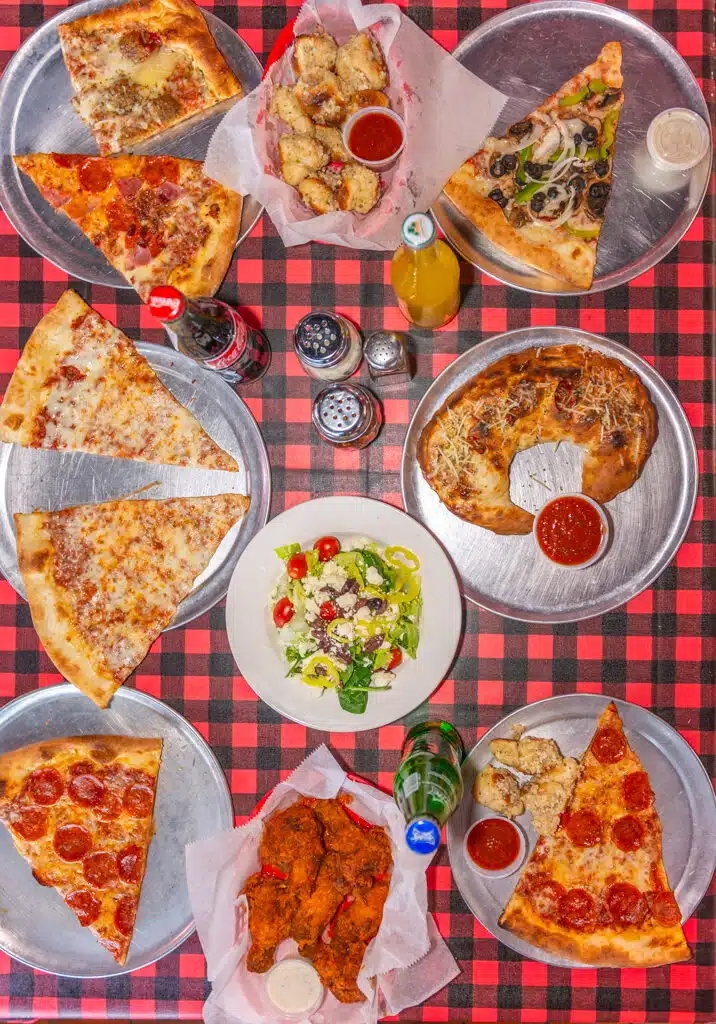
A casual group dinner often benefits from a sports-bar-style pizza place where the menu extends beyond pizza. That flexibility helps when one person wants wings, another wants a salad, and the rest want large pies to share. You may sacrifice a few minutes of speed, but the overall convenience can be worth it.
For travelers, convenience becomes king. Being able to get in, get out, and eat something far better than ordinary highway food can turn an otherwise forgettable stop into a welcome break. In that situation, a pizza that is sturdy, hot, and ready when promised beats a more ambitious pie that demands a long wait.
When value matters more than novelty
There is a tendency in food writing to reward novelty, but most pizza orders are not acts of culinary exploration. They are practical purchases. You are hungry, you want enough food for the money, and you want to feel like the meal delivered on its promise. Cheyenne’s stronger pizza spots understand this instinctively.
Value does not mean the cheapest possible pie. A bargain pizza that arrives underbaked, skimpy on toppings, or late enough to derail dinner is not good value. Real value is getting a satisfying meal at a fair price, with no unpleasant surprises. That may mean paying a few dollars more at an independent shop whose ingredients taste fresher and whose pies hold up better on the drive home.
It also helps to think in terms of leftovers. Some pizzas reheat beautifully the next day. Others turn rubbery or soggy. Thicker crusts and balanced cheese coverage usually survive reheating better than ultra-thin or overloaded styles. If you are buying for one or two people and hoping for lunch tomorrow, that matters.
A few signs you found the right place
You can usually tell when a pizza spot has earned local trust. The phones are active but the room is not chaotic. Pickup customers come and go with purpose. Staff members answer direct questions directly. The boxes leave the counter quickly, not after sitting in a stack. The pizza itself smells like toasted dough, tomato, and cheese, not just garlic butter sprayed on at the end to hide weakness underneath.
There is also a certain confidence to a well-run local pizzeria. It does not need a giant menu to keep your attention. It does not try to distract you with gimmicks. It knows the core product is strong enough to carry the experience. In a market like Cheyenne, that confidence usually comes from repetition and from earning steady business over time.
If you are new to town or simply trying to refine your regular rotation, pay attention to where locals pick up midweek. Friday and Saturday can make almost any restaurant look busier and more desirable than it really is. Tuesday night is more revealing. A pizza place that has a steady stream of orders on an ordinary evening is probably doing something right.
Why the search is worth a little effort
The reward for finding the right pizza place Cheyenne offers is not just a better pie. It is the ease that comes with having a dependable answer to a common question. What should we grab for dinner? Where can we stop after errands? What can we bring home that everyone will actually eat? A good pizza shop solves those questions without making the evening harder.
That is why the best quick and tasty spots matter. They serve the everyday meal with competence and a little pride. They understand that speed should never flatten flavor, and that convenience should not require lowered standards. Whether you prefer a classic pepperoni, a crisp cheese pizza, or a heavier pie meant to pizza place cheyenne feed a hungry group, the strongest shops in Cheyenne tend to share the same virtues: clear execution, steady timing, and food that tastes as good at your table as it did coming out of the oven.
When you find a place that can do that on a cold weeknight, during a lunch rush, or right before closing after a long drive, hold onto it. Those are the spots that become part of a routine for good reason.
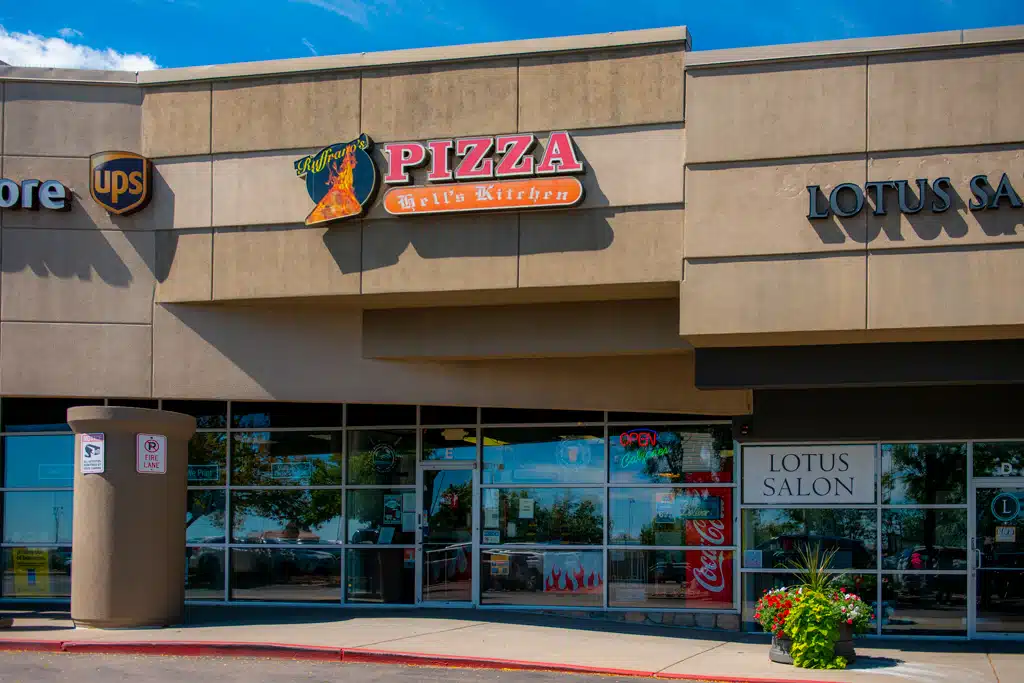
Ruffrano's Hell's Kitchen Pizza Cheyenne
Address: 1670 E Cheyenne Mountain Blvd, Colorado Springs, CO 80906
Phone number: +17195764355
FAQ About Pizza Place Cheyenne
What's the most popular pizza place?
The "most popular" pizza place depends on whether you measure by location count, total sales, or customer favorite status.
What is the 2 pizza rule?
The two-pizza rule is a management principle made popular by Amazon founder Jeff Bezos. It states that a team or meeting should never be larger than what can be fed with two large pizzas—typically translating to a group of 5 to 10 people (or roughly 6 to 12 people depending on appetites).
Is 2 pizzas enough for 10 people?
No, 2 pizzas are usually not enough for 10 people.